

Whoa, seriously now! I opened Rabby after hearing chatter on a forum, and my first impression was: clean, focused, no fluff. It felt different from the usual wallet crowd—more like a tool built by devs who actually used DeFi every day. At first glance I liked the UX, though my instinct said check the permissions closely before you click anything. That hesitation mattered, because browser extensions can be deceptively powerful when they ask for broad access.
Hmm… this part bugs me a little. Extensions often promise convenience, and they deliver it in spades. But convenience without careful design is a risk, especially with funds involved. Initially I thought any reputable wallet would solve all the UX-security tradeoffs, but then realized real-world use exposes friction points most teams miss—like inadvertent approvals and cross-site request confusion. Actually, wait—let me rephrase that: some wallets prioritize onboarding, and others prioritize transaction safety, and the sweet spot is surprisingly rare.
Okay, so check this out—Rabby picked a practical middle path. It introduced session approvals and clearer dApp dialogs that stop you from reflexively clicking “Approve” every time. My gut said this was small, but those small things reduce costly mistakes; they reduce the kind of human error that makes headlines. On one hand it’s just better copy and visual hierarchy, though actually it’s deeper: the team thought about the user’s mental model across chains, assets, and approvals. I’m biased toward interfaces that respect user attention, and Rabby does that well.
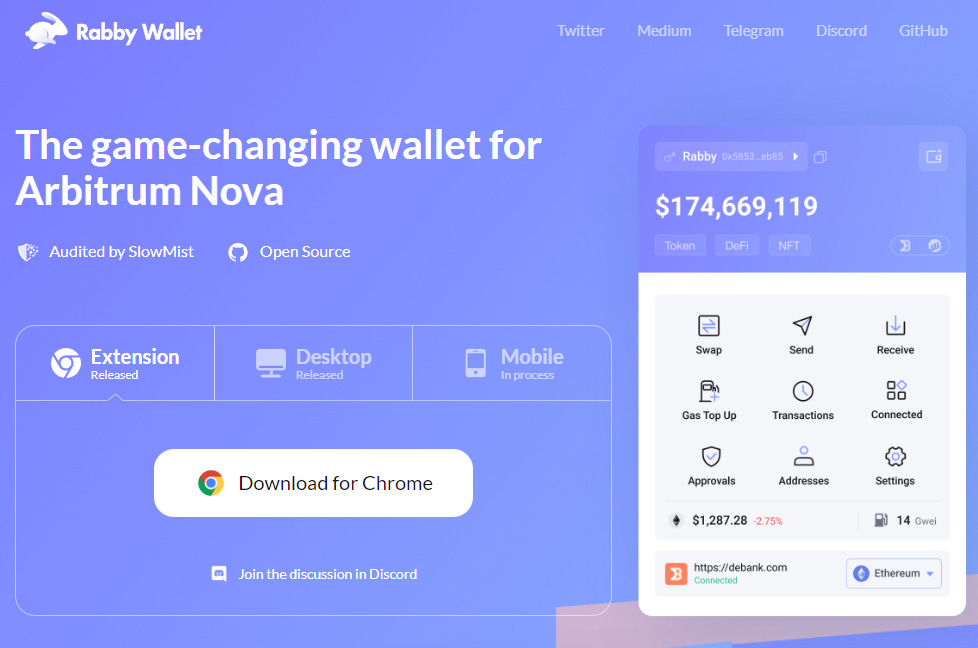
Really? Yes—little features add up. The extension supports multiple chains without cluttering the UI, which matters if you hop between Ethereum mainnet and layer-2s. There are built-in safeguards for approving token allowances, and those granular controls are very very important when you interact with novel DeFi contracts. My instinct said this would slow power users, but in practice it actually prevents costly mistakes without annoying experienced traders. On the technical side the extension architecture looks modular, which is important for future audits and security patches.
Whoa, that reminded me of a mistake I made once—long story short I approved an infinite allowance in a hurry and cursed myself for days. Somethin’ about that experience made me extra picky. So I tested Rabby with a few low-value trades and simulated approvals; it flagged oddities, and the logging made reviewing past approvals painless. This is not infallible, of course, and no extension can replace cold storage for large holdings, though it’s a more secure option for day-to-day DeFi use. I’m not 100% sure about unknown edge cases, but the visibility it offers feels like a real improvement over the usual meta mask chaos.
Seriously? Yep, and here’s why: the extension balances safety, usability, and performance in a way that felt intentional. There are caveats—some dApps may not be immediately compatible, and occasional prompts can interrupt flows—but those interruptions are often safety tradeoffs I prefer. On one hand you want a frictionless swap; on the other, you need clear info about what you’re approving, and Rabby leans toward clarity. That design stance reflects a risk-aware philosophy that I appreciate.
If you want to experiment, here’s a straightforward place to start with a verified installer: rabby wallet download. Do yourself a favor and test on testnets first, and never import large seed phrases into an extension without using hardware-backed protections. Also, use a separate account for high-risk interactions and keep your main savings offline.
I’m biased toward using hardware wallets alongside extensions. The reason is simple: extensions are the bridge, and hardware is the vault. Pairing Rabby with a hardware key gives you the UX benefits while keeping the private key offline. That said, pairing workflows vary in smoothness across browsers—Chrome felt faster for me than alternatives, though YMMV depending on OS and extensions you already run. (Oh, and by the way, clear browser hygiene—fewer stray extensions—reduces attack surface a lot.)
On the security front, audits matter, but they aren’t a guarantee. I scanned Rabby’s public reports and community write-ups; the team seems responsive to issues. Initially I worried about update cadence, but recent patch notes showed steady maintenance and quick fixes for reported bugs. Frankly, rapid iteration combined with transparent changelogs is one of the best signals a project can give users.
Hmm… there are things I want improved. For example, richer on-device transaction simulation could help users anticipate gas spikes and reorgs. Also, support for more hardware devices would broaden safe adoption. These are features that take time to ship, and honestly I’m not 100% sure which will come first—prioritization is always a guess. But overall the roadmap hints at pragmatic choices rather than flashy but shallow add-ons.
Short answer: yes, with caution. Use Rabby for routine interactions but keep significant funds in cold storage. Employ hardware wallets for signing critical transactions, and test on testnet before engaging with unfamiliar dApps.
Yes. The extension supports Ethereum and several layer-2 networks with a smooth chain-switching UX, though you should verify token addresses and contract interactions manually when dealing with new networks or assets.

پیش دبستان و دبستان غیر دولتی